Not all leather is created equal — and if you have ever held a wallet from a top Parisian house and wondered why it felt so impossibly fine, so crisp yet alive in your hands, the answer is almost certainly Chevre leather. This is the material that separates a truly serious piece from everything else on the shelf. This week in our Know Your Leather series, we go deep on Chevre: what it is, why the French have prized it for over a century, and why it belongs in the conversation every time you consider a handmade leather piece worth keeping for life.
What Exactly Is Chevre Leather?
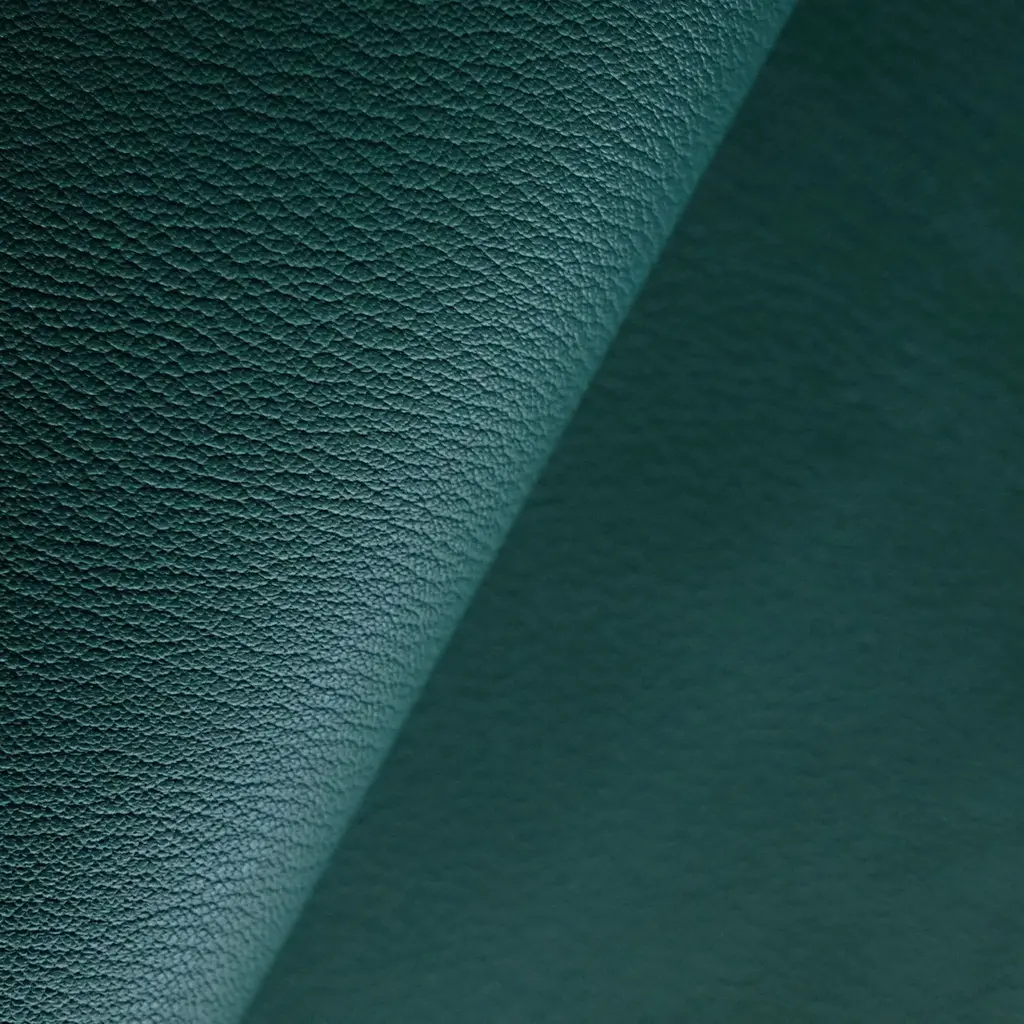
Chevre is simply the French word for goat — and in the leather world, it refers specifically to the tanned hide of a mature goat. Do not confuse it with chevreau, which comes from kid (young goat) and is considerably thinner and more delicate. Chevre from a fully grown goat carries a distinct grain pattern that is tighter, more uniform, and more deeply pronounced than what you find on cowhide. Under close inspection, the surface looks almost like a fine topographic map — thousands of tiny bumps arranged in a consistent rhythm across the hide. Leather professionals call this the chevron grain, and once you know what you are looking at, you will recognize it instantly. That grain is not a cosmetic detail. It is structural. It is what gives Chevre its remarkable combination of lightness and durability — a combination that, frankly, cowhide rarely achieves at the same weight.
Why Did Hermès Choose Chevre for Its Most Iconic Pieces?
Hermès did not stumble into Chevre by accident. The house has been using it since the early twentieth century, and for very deliberate reasons. First, the density of the grain means the leather takes dye with exceptional evenness — the color goes deep, sits consistently across the surface, and ages with a richness that cheaper leathers simply cannot replicate. Second, Chevre is naturally resistant to scratches. That tight, compact grain structure acts like a shield. A cowhide wallet placed loose in a trouser pocket alongside car keys will show marks within weeks. A Chevre piece under the same conditions will shrug off most of that abuse and develop a patina rather than damage. Third — and this matters enormously to a craftsman — Chevre holds a sharp edge beautifully. When you fold it, stitch it, and burnish the edges, it stays precise. It does not fray or soften into a sloppy line. For a house obsessed with perfection in every millimeter, that quality is non-negotiable. Hermès uses several variants of Chevre in their catalog, most famously Chevre Mysore — a type sourced from Indian goats — known for its especially fine and consistent grain, and Chevre de Coromandel, which carries a slightly bolder texture. Both are considered benchmark leathers in the luxury goods industry.
How Does Chevre Compare to Calfskin and Cowhide?
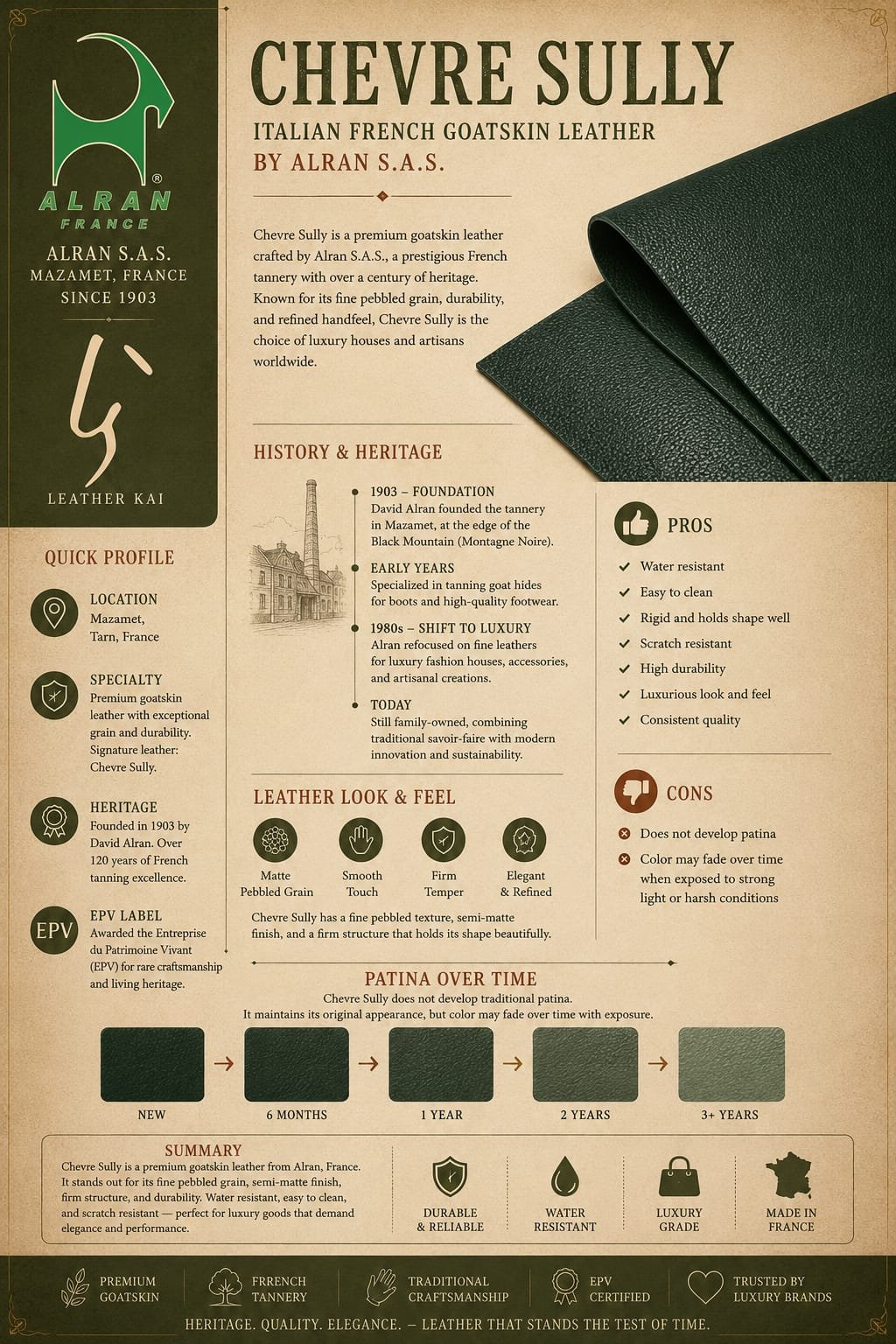
This is the question we get most often, and the honest answer is: it depends entirely on what you want the leather to do. Calfskin — especially vegetable-tanned vachetta calfskin — is softer, smoother, and more forgiving to work with. It has a luxurious, almost silky feel that many people associate with high-end leather goods. Cowhide full-grain leather is thick, robust, and outstanding for structured items like briefcases or belts where rigidity matters. Chevre sits in its own category. It is lighter than both, yet gram for gram it is arguably tougher than calfskin. The natural lanolin content in goatskin keeps it supple without requiring as much conditioning over time. The grain gives it a texture that reads as premium without being flashy — it is the kind of leather that sophisticated buyers notice immediately, and that casual buyers come to appreciate only after months of use. For slim wallets, keyfobs, cardholders, and compact accessories where weight, thickness, and durability all have to coexist in a very small space, Chevre is genuinely difficult to beat.
Where Does the Best Chevre in the World Come From?
Geography matters in leather, just as it matters in wine. The finest Chevre hides have historically come from India, West Africa, and select regions of Europe. Indian goats — particularly from the Mysore region — produce hides with an exceptionally tight, even grain that responds beautifully to both chrome and vegetable tanning. West African goats, raised in arid climates, develop hides with remarkable density and low moisture content, which translates directly into durability. French tanneries, particularly those in the Millau region, have spent generations perfecting the processing of these hides into finished Chevre leather that meets the standards demanded by Parisian luxury houses. The tanning process itself — whether vegetable, chrome, or a combination — dramatically affects the final character of the leather. Vegetable-tanned Chevre develops a deeper, more complex patina over time. Chrome-tanned Chevre is more consistent in color and slightly more water-resistant. For pieces intended to be passed down rather than simply used up, we consistently reach for vegetable-tanned hides.
Is Chevre Leather Worth the Premium Price?
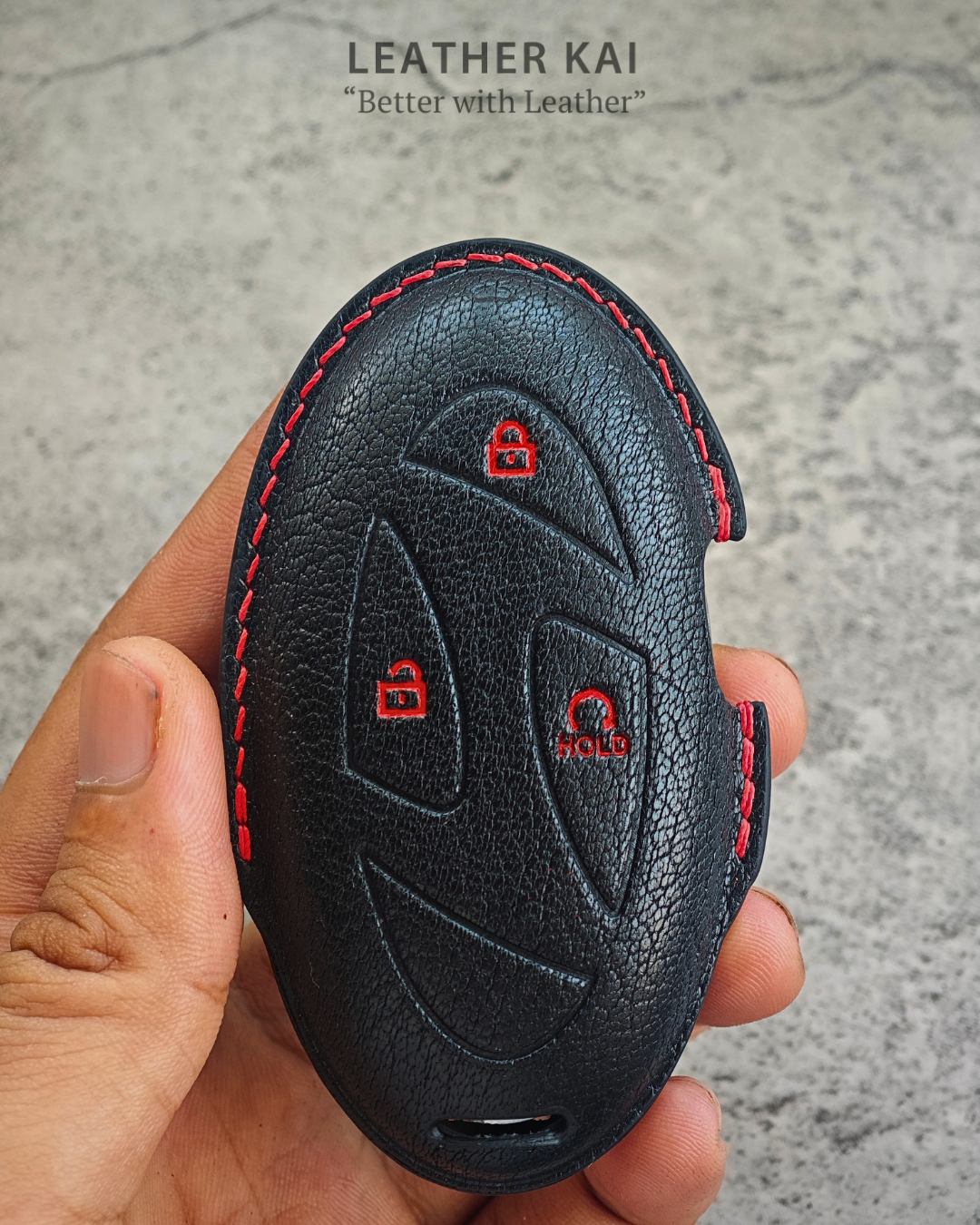
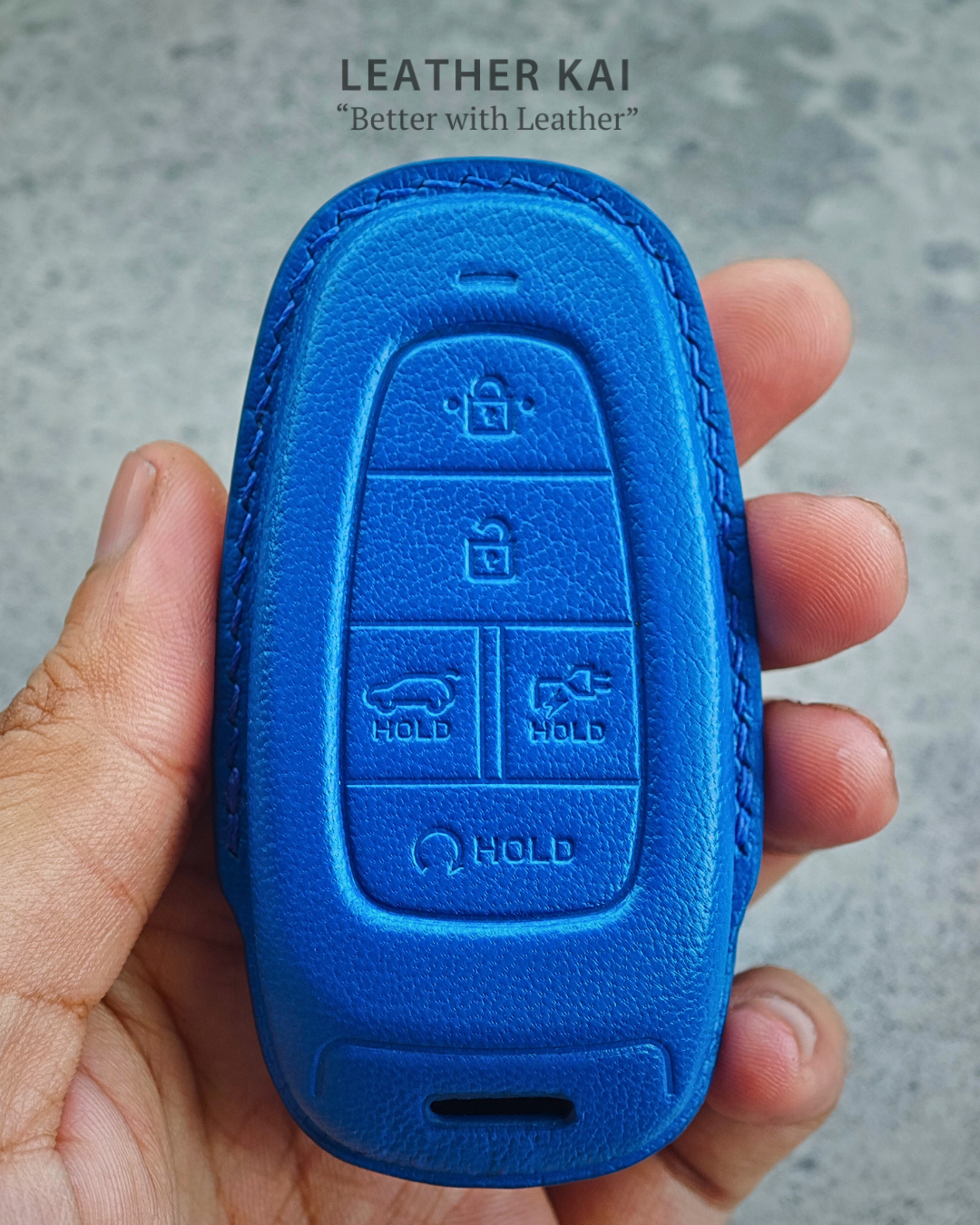
Let us be direct: yes, but only if you are buying something made properly. Chevre hides are more expensive than standard cowhide at the raw material stage. They are smaller — a goat hide covers significantly less surface area than a cow hide — which means more hides are needed per production run and more of each hide is carefully graded and allocated. The offcuts are smaller. The margin for error when cutting patterns is tighter. A craftsman working in Chevre is working with a material that punishes carelessness and rewards skill. When that skill is present — when the edges are hand-burnished, when the stitching is saddle-stitched by hand with waxed linen thread, when the piece is allowed to take its final form without shortcuts — what you hold at the end is something that will outlast a decade of daily carry, develop a character entirely its own, and remain structurally sound long after synthetic alternatives have crumbled. For the man who drives a car he chose because of how it was engineered rather than just how it looks, Chevre leather in a handmade piece is a directly parallel logic. You are paying for material integrity and craft, and both will be visible every single day.
What Should You Look For When Buying a Chevre Leather Piece?
The grain should be consistent and fine — avoid any hide that shows large, irregular pores or patches where the grain disappears, as these indicate lower quality sourcing or poor tanning. The leather should feel firm but not stiff, with a slight natural resistance when you flex it. The edges of a well-made Chevre piece will be cleanly cut and burnished smooth, not rough or raw. If the piece is stitched, look at the thread tension — each stitch should be locked firmly into the leather with even spacing, not floating on the surface. Ask the maker about the tannery. A craftsman who knows their leather will tell you exactly where it came from and why they chose it. That conversation alone will tell you more about the quality of what you are buying than any product description ever will.
Chevre is not a trend. It is not a marketing term. It is a material with a history, a logic, and a performance record that goes back to the founding of the greatest leather houses in the world. Once you carry it, you will understand immediately why those houses never stopped using it.
