
Not all leather is created equal. If you’ve spent time researching premium leather goods — whether it’s a wallet to match your key fob or a card holder that sits beside your steering wheel — you’ve probably come across the name Pueblo leather. And if you haven’t, you’re about to understand why serious leather enthusiasts treat it almost like a living material.
This is the second piece in our Know Your Leather series, and we’re dedicating it entirely to Pueblo — because it deserves that kind of attention.
What Exactly Is Pueblo Leather?
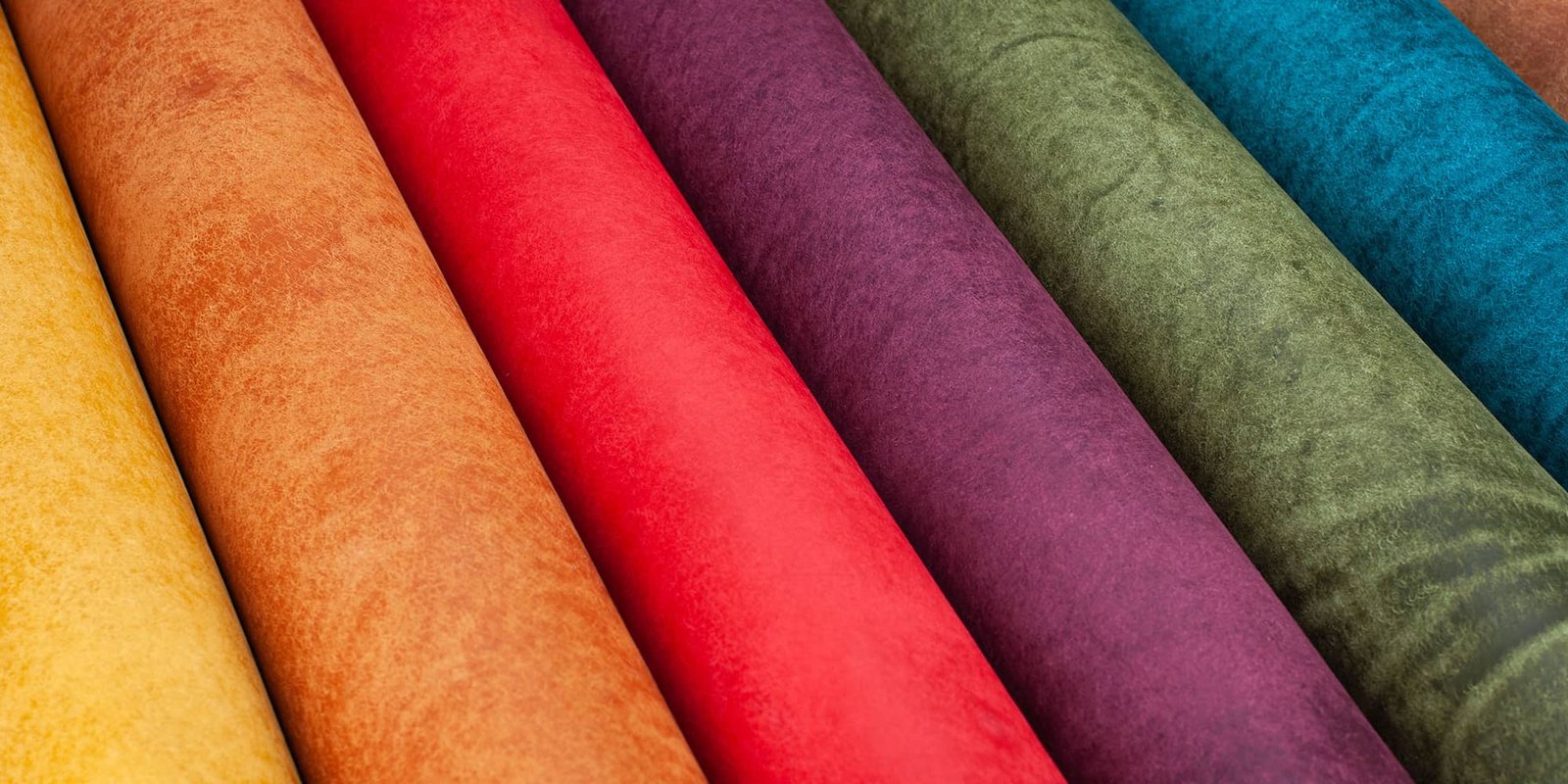
Pueblo leather is a full-grain, vegetable-tanned leather produced exclusively by Badalassi Carlo, a tannery based in Tuscany, Italy. The Badalassi family has been working leather since the 1960s, and Pueblo is their most celebrated product. What makes it immediately distinct is its surface texture — rough, matte, almost suede-like when new — which is achieved through a drum-milling process that tumbles the leather to raise the grain. This is not a coating or a finish. This is the leather itself, raw and honest.
Pueblo is tanned using vegetable matter — tree bark, plant extracts, organic tannins — the same method used by Italian craftsmen for centuries. No synthetic shortcuts. This process takes weeks, not days, and it’s precisely why the leather behaves the way it does over time.
How Is Pueblo Different From Regular Leather?
Most leather you encounter in commercial goods — bags, car seat covers, mass-produced wallets — is chrome-tanned. Chrome tanning is fast, cheap, and produces a uniform, soft result. It’s efficient. But efficiency is not the same as quality. Chrome-tanned leather doesn’t develop character. It ages flat, it fades without grace, and after a few years it simply looks old.
Pueblo is different at a structural level. Because it’s vegetable-tanned, the leather has an open structure that absorbs oil from your hands, responds to light, heat, and pressure, and develops a patina — a rich, deepening color and sheen that forms on the surface with use. A Pueblo wallet carried in your trouser pocket every day will look entirely different after six months than it did on day one. Not worse. Considerably better.
Think of it the way you think about a well-maintained classic car interior. The leather doesn’t look its best when it’s new. It looks its best after years of honest use, properly cared for.
What Does “Patina” Actually Mean for Pueblo?
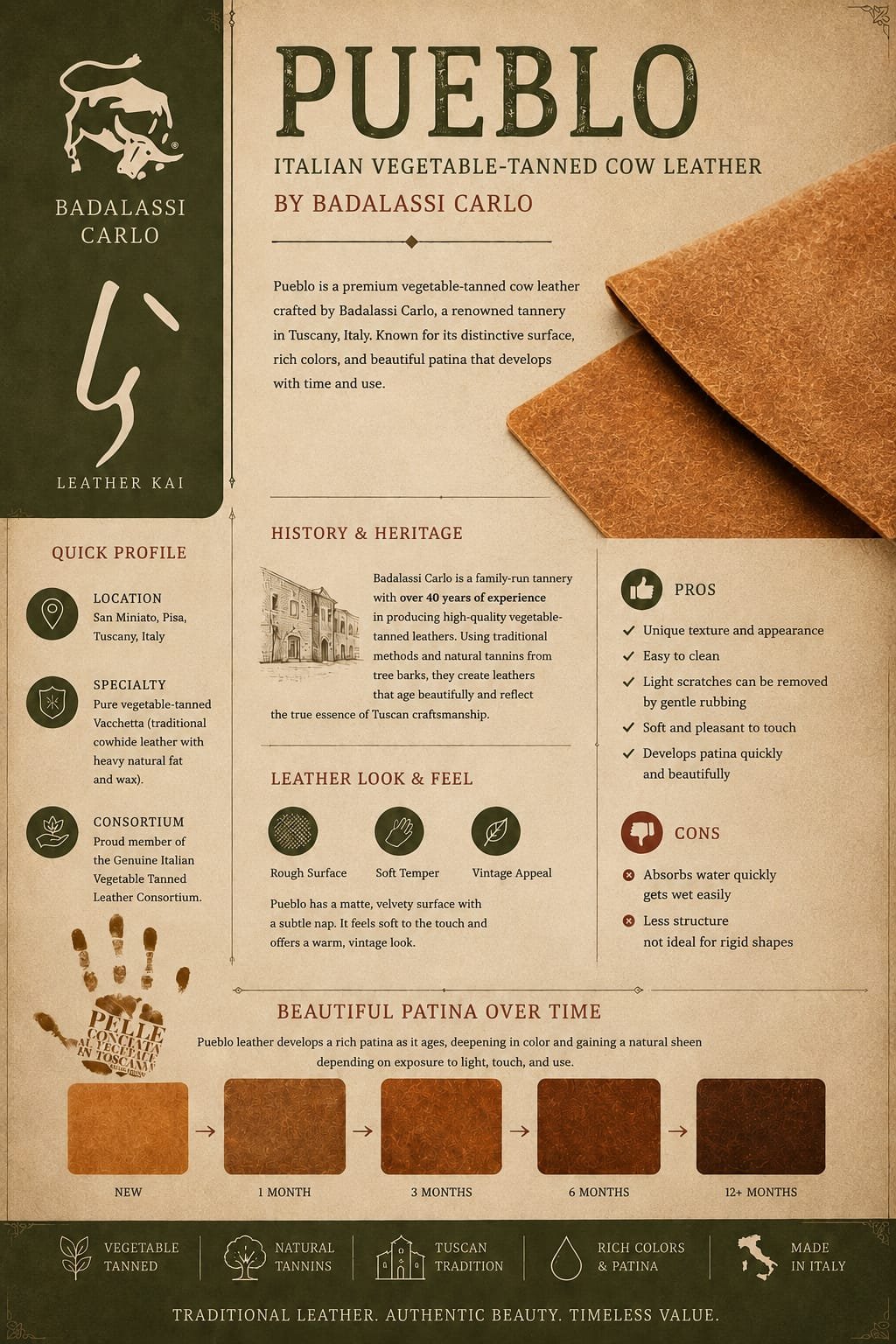
Patina is a word that gets overused in luxury goods marketing, so let’s be precise. In Pueblo leather, patina refers to a gradual transformation that happens at the surface and just beneath it. When you first receive a Pueblo piece, the texture is brushed and slightly matte — almost dusty in appearance. The colors are vivid but not shiny.
Over days and weeks of handling, natural oils from your skin penetrate the open grain. Friction from regular use begins to burnish the raised fibers. The surface slowly transitions from matte to a soft, organic sheen. Colors deepen — a tan piece starts moving toward warm amber, a dark brown piece begins to reveal subtle variations in tone that catch light differently depending on the angle.
Scratches and scuffs, which would ruin chrome-tanned leather, disappear or blend into the surface of Pueblo with a little buffing. That roughness you started with? It becomes the leather’s armor. Experienced Pueblo users will tell you that the first scratch they were nervous about ended up being the moment the piece truly became theirs.
Why Does the Color Range Matter?
Badalassi Carlo produces Pueblo in a wide spectrum of colors — from classic blacks and dark browns to more expressive tones like forest green, deep navy, burgundy, and warm cognac. Because the leather is vegetable-tanned and the dyes penetrate deeply rather than sitting on the surface, these colors are stable and rich. They don’t chip, crack, or peel the way surface-coated leathers do.
More importantly, each color ages differently, and that aging is part of the appeal. A piece in tabacco — Pueblo’s warm caramel tone — will develop a butterscotch-to-amber journey over time. A piece in nero (black) will develop a gunmetal undertone in areas of high friction. When we design pieces using Pueblo, color selection isn’t just an aesthetic decision. It’s a decision about what kind of journey you want your leather to go on.
Is Pueblo Leather Hard to Maintain?
This is where things get refreshingly simple. Pueblo leather is remarkably low-maintenance — especially compared to the upkeep demands of, say, the interior leather in a premium European sedan. You don’t need special treatments, dedicated sprays, or a routine that demands your attention every week.
What Pueblo needs is honest use and occasional conditioning. A natural leather conditioner — beeswax-based or pure neatsfoot oil — applied two to three times a year is more than sufficient. Keep it away from prolonged direct sunlight and heavy rain, and it will serve you for decades. Literally. We’ve seen Pueblo wallets that are fifteen years old still being used daily, the leather now darker, smoother, and more beautiful than anything new could replicate.
Why Do We Choose Pueblo for Our Pieces?
We work with Pueblo because it aligns with how we think about leather goods. We’re not interested in making something that looks impressive in a photograph and disappoints three months later. We’re interested in making things that reward ownership — pieces that you carry every day and find yourself noticing more, not less, as time passes.
Our customers in Jakarta and Surabaya are men who understand quality because they live with it. They know what it means to sit in a well-specced cabin and feel the difference between real craftsmanship and manufactured luxury. Pueblo leather gives us a material that meets that standard honestly — not through branding or packaging, but through the way it behaves in your hand after a year of daily use.
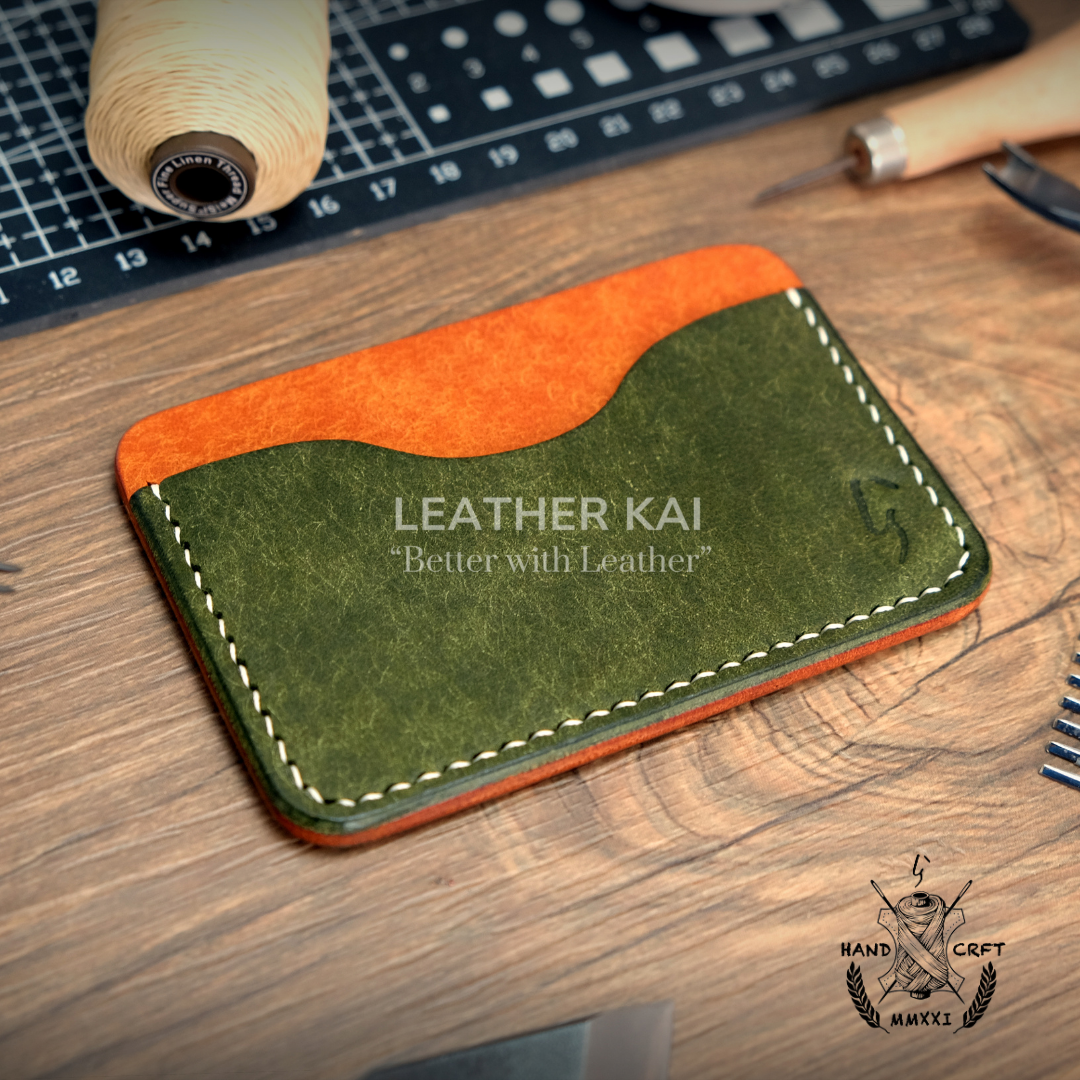
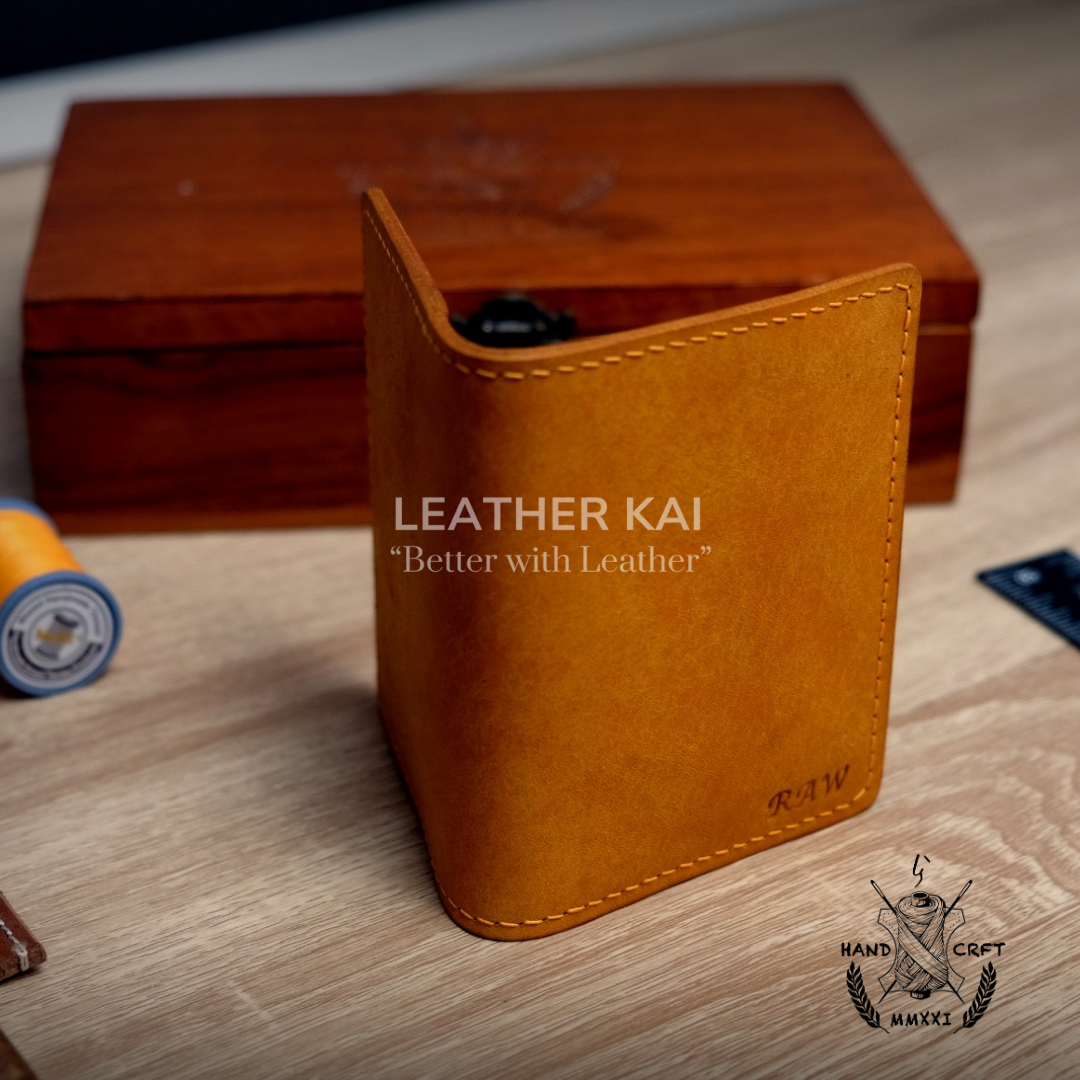
When we stitch a key fob or a card holder in Pueblo, we’re not just making an accessory. We’re handing you something that will quietly improve every day you carry it. That’s the only kind of leather we’re willing to put our name on.
Chat on WhatsApp →
